

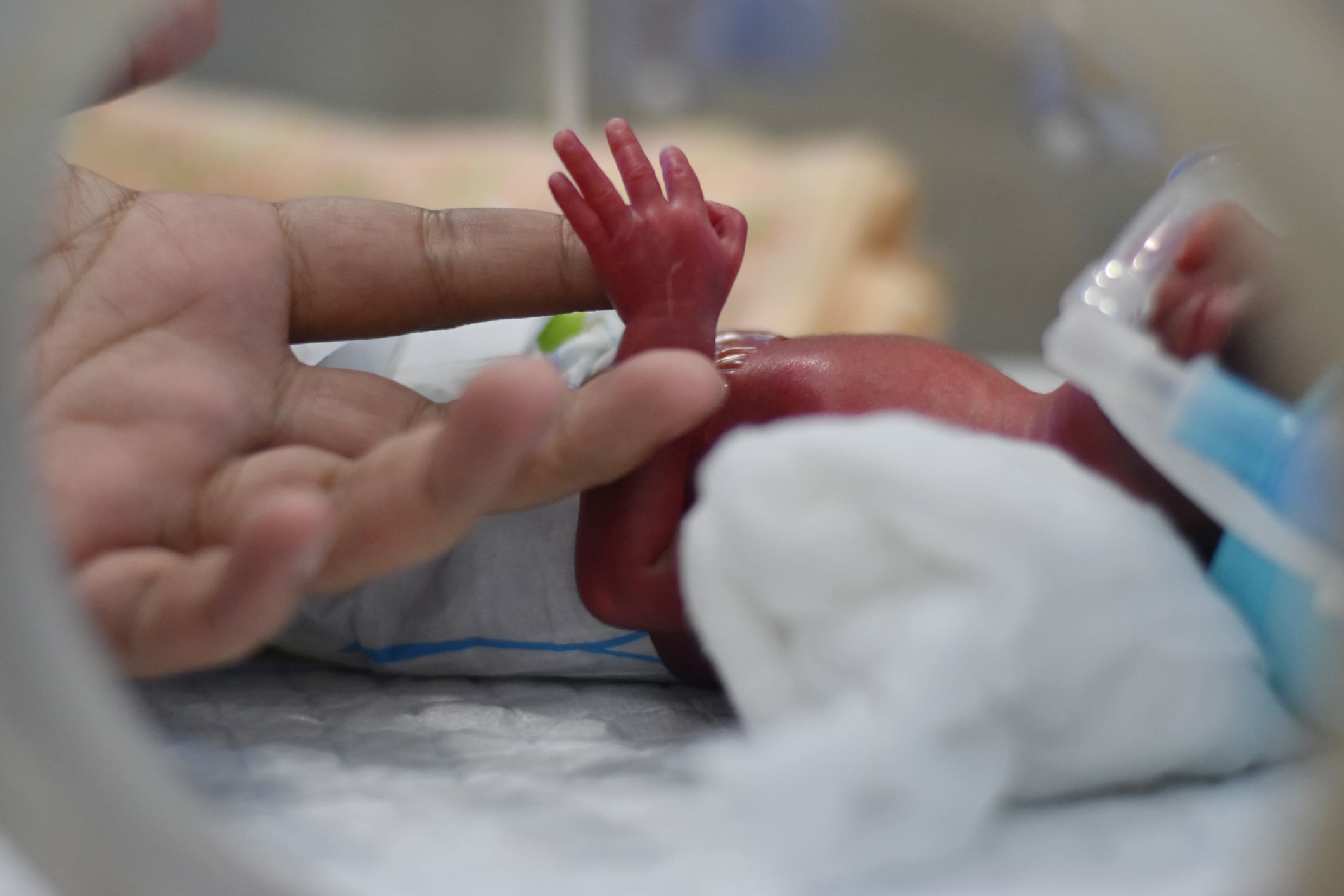
I am promoting a bill that is called the Vable Child bill of Rights. This would align with most Minnesotans that want few limits on abortion. The viable child must be given rights when it can live without the woman.
Summary
One More Day Bill of Rights – Summary
The bill is based on a simple principle:
When an unborn child has developed enough to survive outside the mother’s body, that child should have a right to life of its own.
The bill would not prohibit abortion before viability, nor would it require a woman to remain pregnant after the child becomes viable.
Once a doctor determines that the child can reasonably survive outside the womb, however, the law would require doctors—when medically possible—to end the pregnancy in a way that gives the child an opportunity to be born alive rather than intentionally causing the child’s death.
The mother’s life and serious health needs remain protected. If attempting a live delivery would create greater medical risk to the mother, the doctor could provide the treatment medically necessary to protect her.
The central principle is:
A woman retains the right to end her pregnancy. Once the child can survive outside her body, the child also gains a right to continued life whenever both can reasonably be protected.
Minnesota One More Day Bill of Rights
A bill for an act relating to health; establishing protections for viable unborn children; establishing the Viable Child Bill of Rights; amending Minnesota Statutes, section 145.411; proposing coding for new law in Minnesota Statutes, chapter 145.
BE IT ENACTED BY THE LEGISLATURE OF THE STATE OF MINNESOTA:
Section 1. [145.4105] VIABLE CHILD BILL OF RIGHTS.
Subdivision 1. Short title. This section may be cited as the “One More Day Bill of Rights.”
Subd. 2. Legislative purpose.
The legislature recognizes both the fundamental right of a pregnant individual to make autonomous decisions concerning reproductive health care and the state’s interest in protecting human life that has developed to the point at which it is capable of sustained survival outside the uterus.
It is the purpose of this section to establish protections for an unborn child after viability while preserving necessary medical care for a pregnant individual whose life or health is endangered by continuation of the pregnancy, and to ensure that a child born alive under these circumstances is protected from being used as leverage and is afforded a genuine opportunity for a normal life.
Subd. 3. Definitions. (a) For purposes of this section, the following terms have the meanings given. (b) “Viable” or “viability” means the stage of fetal development at which, in the good-faith medical judgment of the treating physician, based upon the particular facts of the pregnancy and generally accepted standards of medical practice, there is a reasonable likelihood of sustained survival of the unborn child outside the uterus, with or without artificial support. (c) “Viable unborn child” means an unborn child determined to be viable under paragraph (b). (d) “Abortion” has the meaning provided in section 145.411, subdivision 5. (e) “Medical emergency” means a condition that, in the reasonable medical judgment of the treating physician, so complicates the medical condition of the pregnant patient that immediate intervention is necessary to prevent death or a serious risk of substantial and irreversible impairment of a major bodily function.
Subd. 4. Rights upon viability. Upon a determination of viability, a viable unborn child has an interest recognized and protected by the state in continued life and, consistent with the rights and health of the pregnant patient, shall not intentionally be deprived of life when the pregnancy can instead be ended through a medically appropriate procedure reasonably intended to result in live birth. Nothing in this subdivision requires medical treatment before birth that would impose a greater risk of death or serious impairment upon the pregnant patient.
Subd. 5. Termination of pregnancy after viability. (a) A health care professional may terminate a pregnancy after viability when termination of the pregnancy is requested or medically indicated. (b) Except as provided in subdivision 6, when terminating a pregnancy after viability, the health care professional shall use the method that, in the professional’s reasonable medical judgment: (1) is medically appropriate for the pregnant patient; and (2) when medically feasible without materially increasing the medical risk to the pregnant patient, provides the viable unborn child a reasonable opportunity for live birth and survival. (c) Nothing in this section requires a pregnant patient to continue a pregnancy after viability.
Subd. 6. Life and health exception. The requirements of subdivision 5, paragraph (b), clause (2), do not apply when, in the reasonable medical judgment of the treating physician: (1) compliance would create a greater risk of death for the pregnant patient; (2) compliance would create a serious risk of substantial and irreversible impairment of a major bodily function; or (3) an immediate medical emergency makes compliance medically infeasible. The physician shall provide the treatment reasonably considered necessary to protect the life and health of the pregnant patient.
Subd. 7. Determination of viability. Except in a medical emergency, when there is a reasonable possibility that an unborn child is viable, the physician performing a procedure intended to terminate the pregnancy shall make a good-faith determination of viability based upon generally accepted medical standards and the particular circumstances of the pregnancy. No specific gestational age alone establishes viability under this section.
Subd. 8. Child born alive. An infant born alive following an attempted termination of pregnancy is a person under Minnesota law and is entitled to the protections and medical care provided under section 145.423.
Subd. 9. Parental rights forfeiture and child protection. (a) If a pregnant individual seeks to terminate a pregnancy after a determination of viability and a viable infant is subsequently born alive, the mother forfeits all parental rights with respect to the child, including custody, visitation, decision-making authority, and any other parental claim. (b) No member of the mother’s lineage may petition for or be granted custody, visitation, or contact rights with the child. (c) If the biological father also forfeits parental rights or is determined to have no parental rights, the child becomes a ward of the state pending adoption. (d) The child’s birth and related records shall be sealed. No member of either the mother’s or the father’s lineage shall be eligible to adopt the child or to have any contact with the child until the child reaches 18 years of age. (e) The purpose of this subdivision is to prevent the child from being used as leverage in any capacity and to afford the child a genuine opportunity for a stable and normal life free from ongoing familial conflict arising from the circumstances of the pregnancy’s termination.
Subd. 10. Pregnant patient not subject to penalty. A pregnant individual upon whom an abortion or other termination of pregnancy is performed or attempted may not be subject to criminal prosecution, civil liability, or an administrative penalty for a violation of this section.
Subd. 11. Construction. Nothing in this section shall be construed to: (1) prohibit abortion before viability; (2) require a pregnant individual to continue a pregnancy after viability; (3) require a method of delivery or medical procedure that, in the reasonable medical judgment of the treating physician, poses a materially greater risk to the life or health of the pregnant patient; (4) prevent treatment of miscarriage, ectopic pregnancy, fetal demise, or another pregnancy-related medical emergency; or (5) limit the right of a patient to receive medically appropriate treatment necessary to protect the patient’s life or health.
Subd. 12. Severability. If any provision of this section or its application to any person or circumstance is held invalid, the invalidity does not affect other provisions or applications of this section that can be given effect without the invalid provision or application.
EFFECTIVE DATE. This section is effective August 1 following final enactment.